


Mica
آبان 29, 1402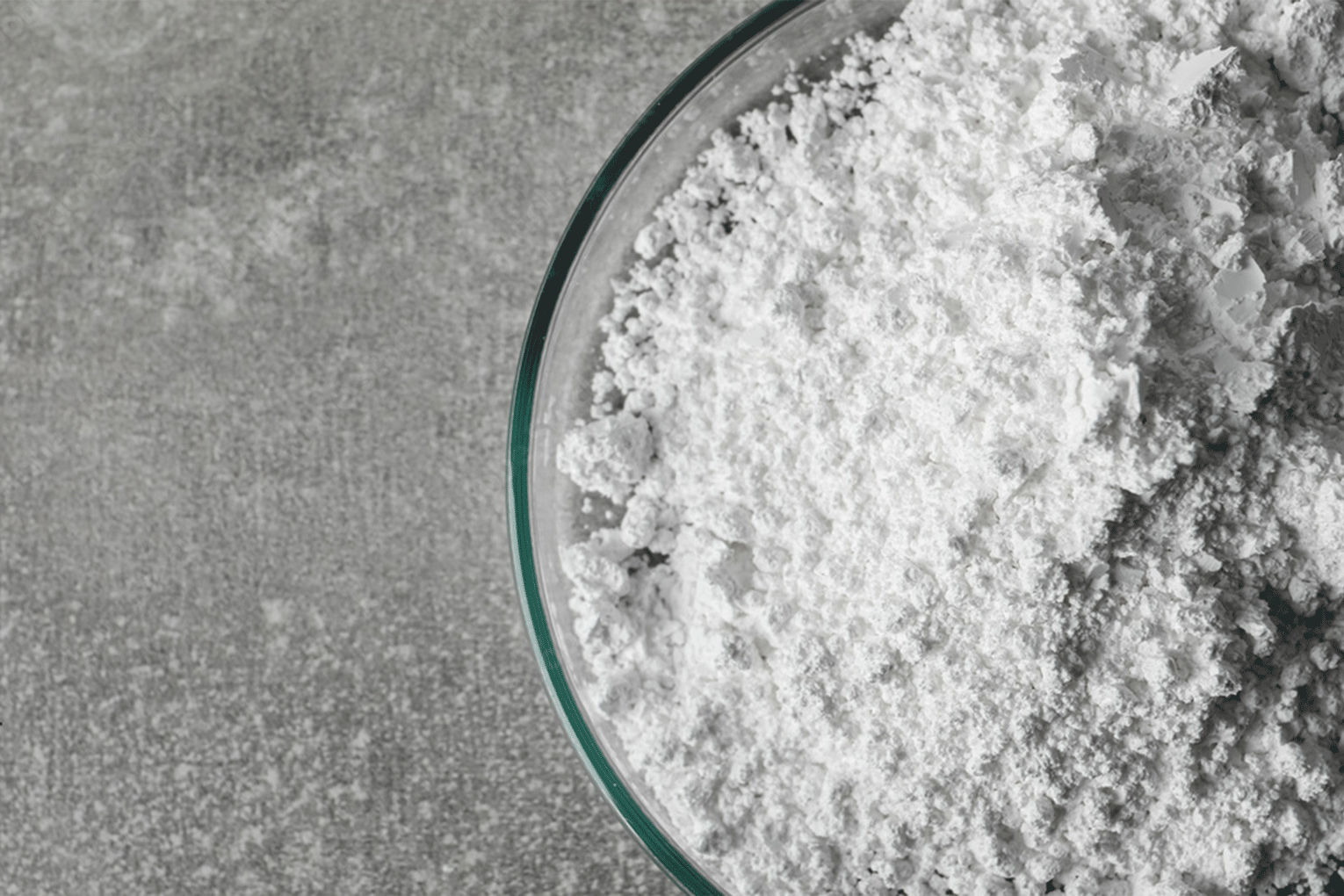
Kaolin Micronized Powder
Kaolin (Hydrated Aluminum Silicate)
Kaolin is the pure form of clay (hydrated aluminum silicate). There are three distinct materials of it: kaolinite, nacrite, and dickite, all of which have a similar formula. It is found in earthy masses with a dull luster. Its structure consists of a two-layer sheet composed of one tetrahedral layer of silica (with associated hydroxyl ions) and one octahedral layer of aluminum. Aluminum ions are aligned with oxygen and hydroxyl ions of the tetrahedral layer on one side and hydroxyl ions on the other side. The bond between adjacent sheets is very weak, with hydrogen bonds existing between the hydroxyl ions of one sheet and the oxygen ions of the adjacent sheet. At high temperatures, they lose water and become refractory.
Structure:
It is commonly found as a product of the chemical weathering of feldspars, transported by sedimentary processes, separated from other sedimentary materials, and deposited as pure beds. Kaolinite is mined from these beds, reaching various uses without the need for refining. It is also obtained as a product of the alteration of silicates by underground hot waters in sulfide vein surroundings and also in hot springs and geysers.
Applications:
It is used in pharmaceutics and in the making of refractory bricks, porcelain, and ceramics as a whitener. It is used to make porcelain vessels and in chemical porcelain for valves, pipes, and tube lamps, fittings, as linings for kilns, electrical insulators, as a pigment and filler in paints, as a roughage in plastics, as an abrasive, in ceramic glazes, as an absorbent in oil purification. Kaolin is used as a neutral colloidal pigment in paints. This powder is hydrophobic but has good compatibility in oils and many organic solvents.
Buy Kaolin Mineral Powder from a trusted supplier to enhance the performance and quality of your industrial products. Kaolin is a naturally occurring clay mineral renowned for its exceptional whiteness, fine particle size, chemical stability, and excellent reinforcing properties. As a result, it has become an essential raw material for a wide range of industries, including plastics, rubber, ceramics, paper, paints, pharmaceuticals, and cosmetics. In this guide, you’ll discover the key properties, industrial applications, and advantages of kaolin mineral powder to help you select the most suitable grade for your manufacturing requirements.
Kaolin in the Plastics and Rubber Industry

Thanks to its unique physical and chemical properties, kaolin mineral powder is widely used in the plastics and rubber industries as a functional filler and reinforcing mineral. It enhances product performance while helping manufacturers optimize production costs.
Kaolin in Plastics
Kaolin offers several important benefits in plastic manufacturing.
Improved Thermal and Mechanical Performance: By incorporating kaolin into plastic compounds, manufacturers can significantly improve heat resistance, tensile strength, stiffness, and overall durability.
Superior Surface Finish: In addition, the mineral’s high brightness and fine particle size produce a smoother, more uniform surface with an enhanced appearance.
Lower Production Costs: Furthermore, kaolin serves as a cost-effective mineral filler that partially replaces more expensive raw materials without compromising product quality.
Kaolin in Rubber
Similarly, kaolin is widely incorporated into rubber compounds to improve both processing efficiency and product performance. Its main advantages include:
Enhanced Mechanical Properties: For example, kaolin improves elasticity, hardness, and abrasion resistance, resulting in more durable rubber products.
Weight Reduction: Moreover, its lightweight layered structure helps reduce the overall weight of rubber products, including tires and industrial rubber components.
Improved Thermal and Chemical Resistance: As a result, rubber compounds containing kaolin demonstrate greater resistance to elevated temperatures and chemical exposure, extending their service life.
Kaolin in Latex Glove Manufacturing
Kaolin also plays an important role in the production of latex gloves, where it is primarily used as an anti-sticking (release) agent during the manufacturing process.
Its primary functions include:
Enhancing Surface Quality: Furthermore, it contributes to more uniform thickness and a smoother surface finish, improving the overall quality of the final product.
Preventing Surface Adhesion: During manufacturing, kaolin is applied to the inner or outer surfaces of latex gloves to prevent adjacent latex layers from sticking together.
Improving Wearability: In addition, a thin layer of kaolin reduces friction, making gloves easier to put on and remove.
Maintaining Mechanical Performance: Properly controlled kaolin content helps preserve the flexibility, elasticity, and strength of latex gloves.
Benefits of Using Kaolin in Latex Gloves
Excellent Chemical Compatibility: Kaolin blends well with both natural and synthetic latex without negatively affecting the material’s chemical composition.
Improved Moisture Resistance: Moreover, its moisture-resistant characteristics help gloves perform more effectively in humid or wet environments.
Safe and Non-Toxic: As a naturally occurring, non-toxic mineral, kaolin is well suited for medical, healthcare, and personal protective equipment (PPE) applications.
Kaolin in the Pharmaceutical Industry
Thanks to its exceptional physical and chemical properties, kaolin mineral powder is widely used throughout the pharmaceutical industry. In addition to its high purity and non-toxic nature, it offers excellent chemical stability and adsorption capacity. As a result, kaolin has become a valuable ingredient in a wide range of pharmaceutical formulations and healthcare products.
Oral Medications and Dietary Supplements
Kaolin serves several important functions in oral pharmaceutical products, including:
Natural Adsorbent: Furthermore, the mineral can bind certain bacteria, toxins, and other harmful substances, making it a valuable ingredient in selected medicinal formulations.

Adsorbent for Toxins and Gases: Thanks to its high surface adsorption capacity, kaolin has traditionally been used in formulations designed to help relieve digestive disorders such as diarrhea, bloating, and gastrointestinal discomfort.
Pharmaceutical Excipient: In addition, it functions as a filler and stabilizing agent in the manufacture of tablets and capsules, improving formulation consistency and product stability.
Topical Pharmaceutical Products
Beyond oral medications, kaolin is widely incorporated into topical formulations because of its soothing and moisture-absorbing properties.
Its applications include:
Skin Protection: Likewise, its gentle, non-irritating characteristics make it an effective ingredient in sunscreens, barrier creams, and protective skincare formulations.
Wound and Burn Care: For example, kaolin helps absorb excess moisture while soothing irritated skin, making it suitable for therapeutic creams, ointments, and wound-care products.
Additional Pharmaceutical Applications
Kaolin is also used in a variety of healthcare and personal care products.
Oral Care Products: Moreover, its mild abrasive properties make kaolin an excellent ingredient in toothpaste and tooth-whitening powders, where it helps clean and polish teeth without causing excessive abrasion.
Dermatological Treatments: For instance, it is commonly found in therapeutic facial masks and skincare products formulated for conditions such as eczema and psoriasis.
Kaolin in the Paints and Coatings Industry
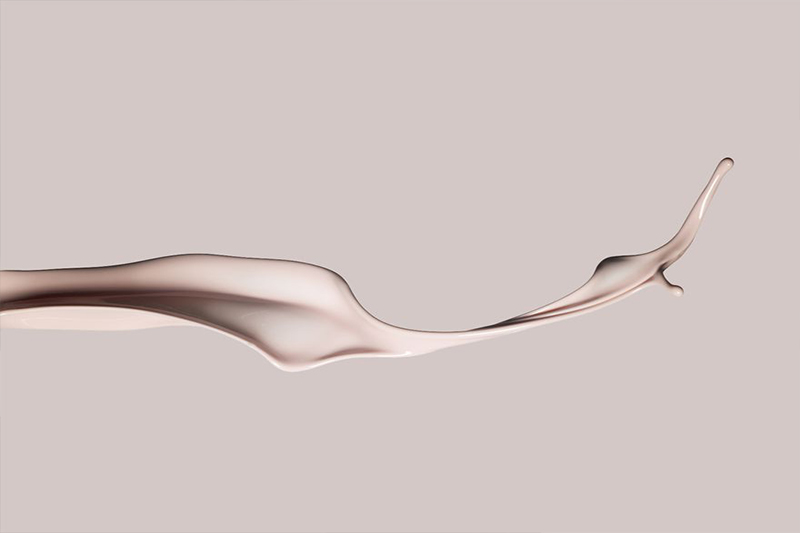
Kaolin is one of the most widely used industrial minerals in the paints and coatings industry. Thanks to its unique physical and chemical properties, it enhances the mechanical performance, appearance, and durability of coating formulations while providing a cost-effective alternative to more expensive raw materials.
Key Properties of Kaolin in Paints and Coatings
This versatile mineral offers numerous performance benefits, making it an essential functional filler in modern coating systems.
Moisture Resistance: Its layered structure and surface characteristics improve resistance to moisture and water penetration, thereby extending the service life of coatings.
Excellent Compatibility: In addition, kaolin is highly compatible with a wide range of resins, binders, and organic solvents, ensuring stable and consistent paint formulations.
High Brightness and Whiteness: Moreover, its natural whiteness makes it an ideal mineral filler for white and light-colored paints, improving both opacity and brightness.
Improved Mechanical Strength: As a reinforcing filler, it increases the strength, hardness, and durability of paint films.
Matting Effect: Furthermore, the fine particle morphology of kaolin diffuses light, allowing manufacturers to produce high-quality matte finishes with excellent surface uniformity.
Applications of Kaolin in Paint and Coating Manufacturing
Architectural Paints
Kaolin is widely used in interior and exterior architectural coatings, where it improves adhesion, abrasion resistance, opacity, and moisture resistance while enhancing the overall finish.
Industrial Coatings
Similarly, protective coatings for industrial equipment, machinery, and steel structures benefit from kaolin as a high-performance filler that increases durability, mechanical stability, and long-term performance.
Automotive Coatings
In automotive applications, kaolin serves as both a filler and a matting agent, contributing to improved surface quality, a more uniform appearance, and enhanced coating performance.
Waterproof and Protective Coatings
Because of its excellent moisture resistance, this mineral is frequently incorporated into waterproof paints, anti-corrosion coatings, and other protective systems designed for demanding environments.
Artist Paints
Finally, kaolin is also used in artist paints, pastels, and specialty coatings thanks to its natural whiteness, chemical stability, and excellent compatibility with various pigment systems.
Kaolin in the Paper Industry
Kaolin is one of the most important industrial minerals used in paper manufacturing. Thanks to its unique physical and chemical characteristics, it plays a vital role in improving paper quality while reducing production costs. Furthermore, it is widely used as both a filler and a coating pigment, contributing to the production of high-quality, cost-effective paper products.
Key Benefits of Kaolin in Paper Manufacturing
Kaolin provides numerous advantages that enhance the performance and appearance of paper.
High Brightness and Whiteness: Its natural white color significantly increases paper brightness, making it ideal for premium printing papers, coated papers, and photographic paper.
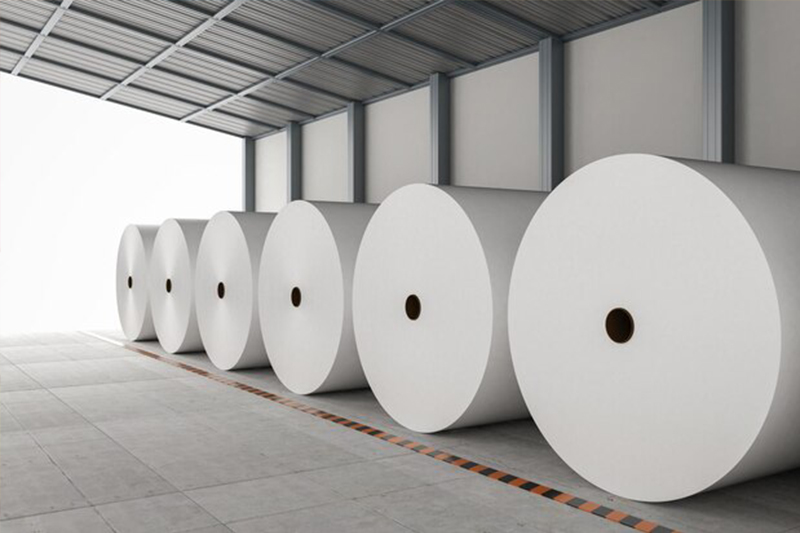
Fine and Uniform Particle Size: In addition, the ultrafine particle distribution creates a smoother paper surface, resulting in superior print quality and image reproduction.
Excellent Ink Receptivity: Moreover, it optimizes the paper surface for uniform ink absorption, producing sharper images and more vibrant colors.
Lower Manufacturing Costs: As a mineral filler, kaolin partially replaces wood pulp, reducing raw material consumption and overall production costs.
Enhanced Mechanical Strength: Finally, it improves the strength, stiffness, and tear resistance of finished paper products.
Primary Functions of Kaolin in Papermaking
Filler
In printing, writing, and newsprint papers, kaolin is incorporated into the paper pulp as a mineral filler. As a result, it increases sheet bulk, reduces basis weight, improves writing performance, and enhances overall paper quality.
Coating Pigment
For coated and glossy papers, the mineral is applied as a surface coating to create a smooth, uniform finish with excellent printability, brightness, and image resolution.
Opacity Improvement
Additionally, kaolin increases paper opacity, minimizing show-through and making paper more suitable for high-quality double-sided printing.er opacity, minimizing show-through and making paper more suitable for high-quality double-sided printing.
Advantages and Properties of Kaolin
Kaolin possesses a unique combination of physical and chemical characteristics that make it an indispensable mineral across a wide range of industrial applications.
Moisture Resistance
Thanks to its layered crystal structure, kaolin helps improve moisture resistance in many formulations, making it a valuable ingredient in paints, coatings, adhesives, and other protective materials.
Chemical Stability
Another significant advantage is its outstanding chemical stability. As a result, kaolin remains resistant to many acids and alkalis, making it suitable for numerous industrial and chemical applications.
Compatibility with Organic Solvents
In addition, the mineral exhibits excellent compatibility with a wide range of organic solvents and polymer systems, allowing it to function effectively as a filler and performance-enhancing additive in paints, coatings, plastics, and composite materials.
Electrical Insulation Properties
Furthermore, its excellent dielectric characteristics make kaolin an ideal electrical insulating material for the production of electrical and electronic components.
Versatile Industrial Applications
Beyond the industries discussed above, this versatile mineral is also used in the manufacture of refractory bricks, ceramic products, porcelain, chemical products, and many other industrial applications.
Limitations
Although kaolin offers numerous advantages, it also has certain processing limitations.
Dehydroxylation at High Temperatures
When heated to approximately 500–600°C, kaolin undergoes dehydroxylation, losing its chemically bound water and transforming into metakaolin. While this transformation is beneficial in some industrial applications, it may limit the suitability of untreated kaolin for certain high-temperature processes.
Conclusion
Kaolin is one of the world’s most valuable industrial minerals, offering an exceptional combination of whiteness, fine particle size, chemical stability, electrical insulation, and reinforcing properties. Consequently, it has become an essential raw material for industries such as paper, plastics, rubber, paints, ceramics, pharmaceuticals, construction materials, and many other manufacturing sectors.
By selecting the appropriate grade of kaolin, manufacturers can improve product quality, enhance processing efficiency, reduce production costs, and achieve superior overall performance. Overall, its versatility, safety, and consistent performance continue to make kaolin one of the most widely used functional minerals in modern industry.
Consultation and Technical Support
If you are looking to buy high-quality kaolin mineral powder, the experts at MPSM Industrial & Mining Group are ready to assist you. With advanced processing technology, rigorous quality control, and customer-focused technical support, we supply premium-grade kaolin tailored to the requirements of a wide range of industries.
Contact our team today to discuss your application requirements and discover the right kaolin solution for your business.